
June Is Cataract Awareness Month: Protecting Your Vision at Every Age
June Is Cataract Awareness Month: Protecting Your Vision at Every Age
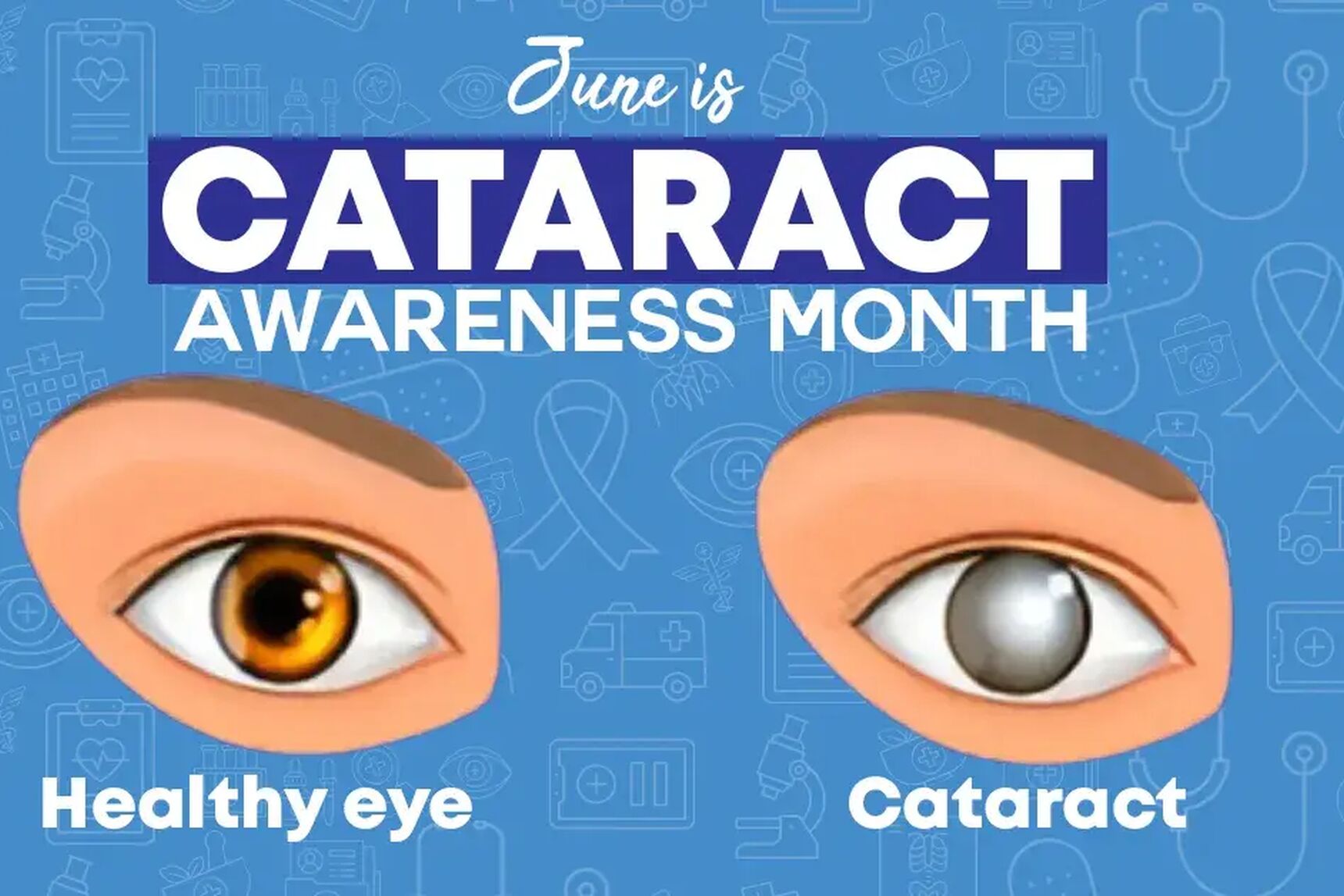
June is Cataract Awareness Month, a good reminder of how important eye health is for all of us. Even if cataracts are not on your radar yet, many of us have parents, grandparents, friends, or neighbors who have been affected by them. Taking a little time to understand cataracts, and to look after your own vision, goes a long way.
What Are Cataracts?
A cataract happens when the lens of the eye becomes cloudy. For most people it develops slowly as a natural part of aging, as cells in the lens begin to clump together over time. It is common, and it can make everyday tasks more difficult.
With cataracts, vision gradually turns hazy. Lights can feel too bright, you may notice glare, and text can look a little blurry. Reading a menu, driving at night, or recognizing faces can start to take more effort.
Cataracts by the Numbers
- Cataracts are the leading cause of vision loss in the United States and a major driver of preventable blindness worldwide.
- About 24.4 million U.S. adults age 40 and older have cataracts.
- By age 75, half of all Americans will have cataracts.
- Roughly 5.5 million Americans live with cataract-related vision impairment.
The Good News About Treatment
Cataract surgery is one of the most common and effective procedures performed in the United States. It is an outpatient procedure, and it has a strong track record of safely restoring vision and improving quality of life.
Recovery is usually quicker than people expect. Many patients have a check-in the day after surgery and again about a week later, and most who have a routine, uncomplicated procedure are back to daily activities, including driving, within a few days. When it comes to the replacement lens, there are several options, from standard lenses that correct distance vision to advanced lenses that address near and intermediate vision as well. The right choice depends on your eyes, your lifestyle, and a conversation with your ophthalmologist. For most people, cataract surgery is covered by Medicare or commercial insurance, and cash-pay and charitable options exist as well.
Clearing Up a Few Common Myths
Myth: You should wait until a cataract is "fully ripe" before having surgery. In reality, waiting too long can make surgery more complicated. The best time is when the cataract begins interfering with your vision and your ophthalmologist agrees it is right for you.
Myth: A cataract can grow back. Once the clouded lens is removed, the cataract itself does not return. Other conditions can affect the eye over time, but that is not the cataract coming back.
Myth: Cataract surgery means weeks of downtime. While there is a recovery period, most people with a standard procedure see well enough to drive and return to normal activities within a few days.
Taking Care of Your Own Eyes
Cataract Awareness Month is also a good time to look after your own vision. A routine eye exam can catch issues early and give you peace of mind. Simple habits help, too. Wear sunglasses that block UV light, take breaks from screens, and pay attention if night driving feels harder than it used to.
Clear vision supports safety, confidence, and quality of life. This month, take a moment to protect your own eyes with the same care you would encourage in the people you love. If you have questions about your vision, talk with your eye doctor about whether an exam or evaluation makes sense for you.